Mae Sot · Thai–Myanmar border

What a little arithmetic can do for a life.

This site records four small businesses on the Thai–Myanmar border, the money that went into them, and what I did there.

Read the transcript

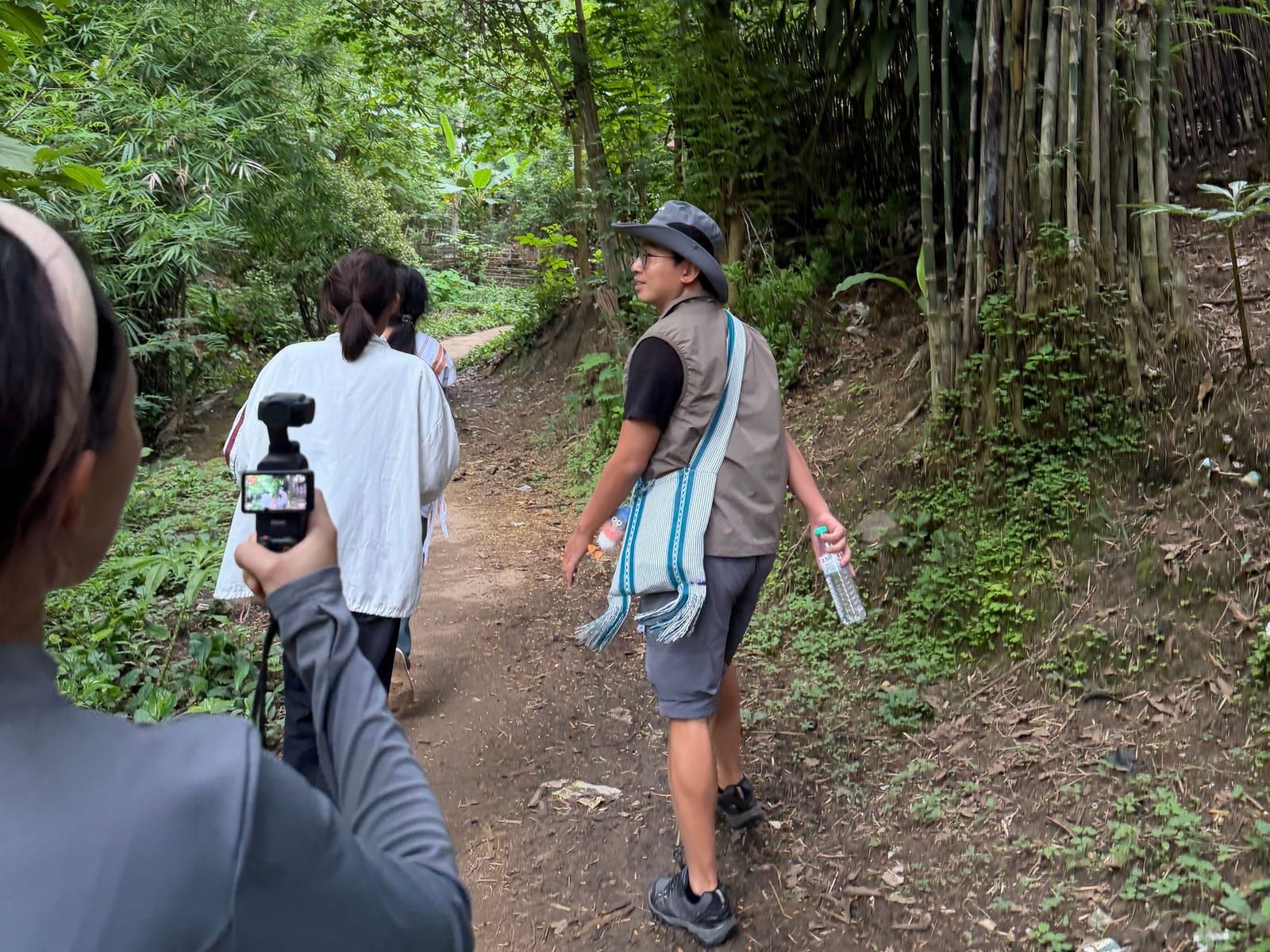
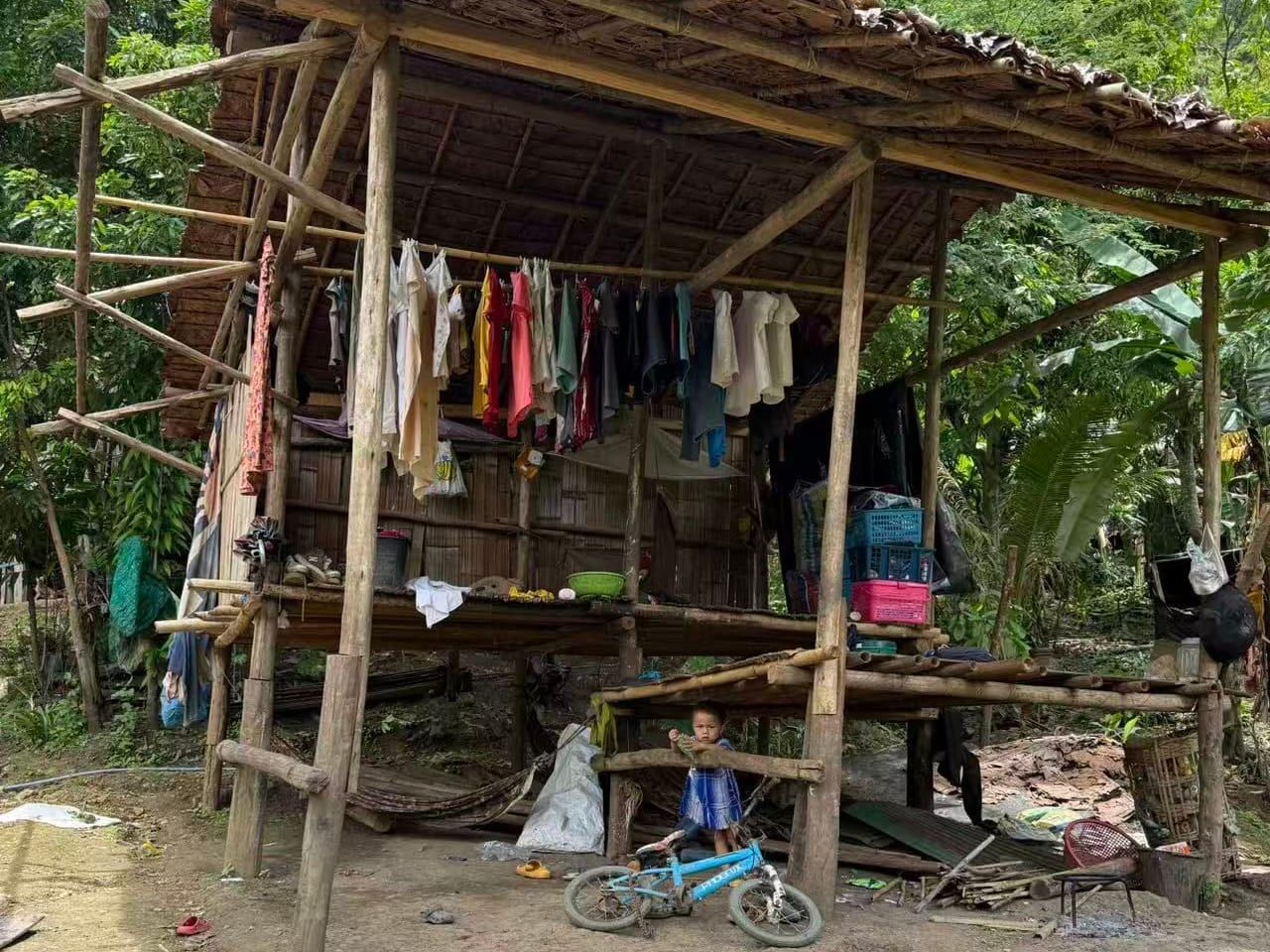
I went to Mae Sot, on the Thai–Myanmar border, to research displaced Myanmar people and their small business ideas. Before this trip, I felt lack of money was the main problem. After talking to many people on site, my whole view shifted. It is not just about missing capital. Legal status limits, no access to banks, and shrinking international aid all stack up against them. Even good business plans get stuck before they can start. On this site, you will read four anonymous real-life cases. These people have practical skills and clear plans. Yet they face walls they cannot break down by hard work alone. I hope when you look through this project, you will think beyond simple give-money answers and see the big structural barriers shaping their lives.
The project in numbers

4
small businesses supported
each with its own plan
8
steps before, during and after the trip
4 led by me
19
organisations listed
six categories · 8 with a note on why I chose them

Why I went

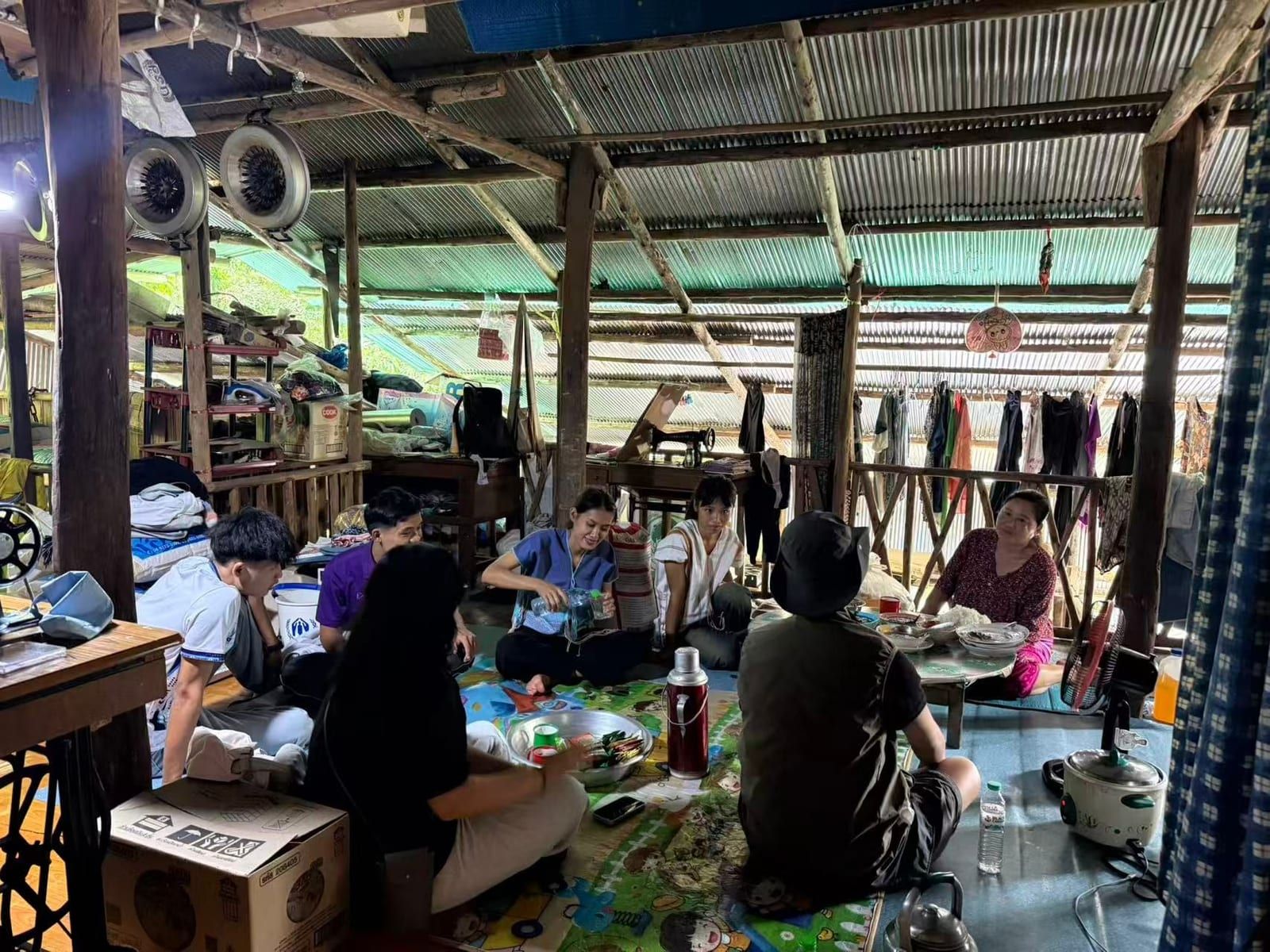
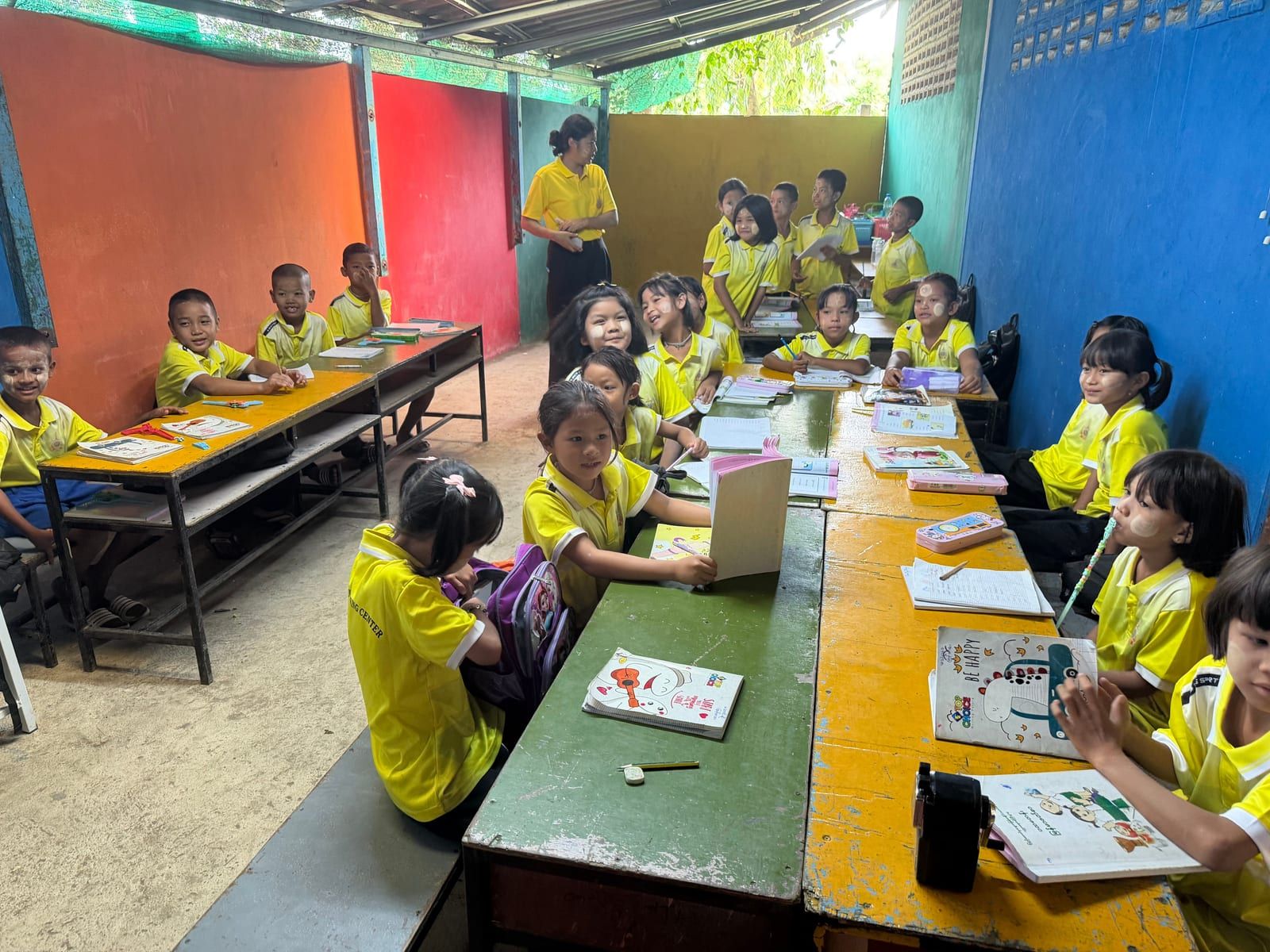
I went to Mae Sot, on the Thai–Myanmar border — not a comfortable or familiar place, and one I had never encountered. I stepped out of my usual world of classrooms and competitions to see it firsthand: to talk to people, visit schools, and mostly to listen. There I sat with refugee families and small-business owners, went through four business plans in detail, and helped each of those four take a first step. What I did was pay attention, ask honest questions, and put a small amount of support behind four specific ideas. This site is my attempt to make sense of that experience: what these four people planned, what I actually did, and why I think skills like math and finance are worth pointing at problems like these.

What I thought before, and what I found

Before this trip I thought finance was something for big companies, stock markets, and rich people. In Mae Sot I saw how a little capital lets someone buy a box of biscuits and sell them by the packet for a small profit — arithmetic I had studied only in the abstract, used as a tool for survival and dignity. I had also read success stories about microfinance and thought small capital could fix livelihood struggles. The people I met changed that. I found a woman with strong sewing skills, an experienced vendor and a student with a reasonable plan, all trapped by external barriers. And people with so little still welcomed me with food and water, things that cost them real sacrifice. Generosity has nothing to do with how much you have.

From the field

All photos and videos

The four stories

Four people, four different plans — a fresh-goods vendor, a garment maker, a learning centre, and a student thinking about a first small trade. Each had a clear idea and a real skill; what stood in the way was rarely just money.

What I did

I went through each of the four business plans in detail, asked a lot of questions, and put a small amount of support behind them. I chose to listen more than I spoke: when people shared their stories I tried to understand rather than offer advice, because I was a visitor here, not a saviour.

8 steps · 4 led by me

The full timeline →

Where to find help

The most useful thing I can offer isn't another appeal — it's a short, checked list of organisations that actually do this work, so support reaches people who know the ground. I'd rather point you to them, out of respect for what these communities can do, than ask you to just trust me.

19 organisations · six categories · 8 with a note on why I chose them

See all the organisations →